Contents:
- Overview of End Result
- What You’ll Need
- Step 1: Choose Your Starting Equipment
- Step 2: Secure Proper Licensing and Insurance
- Step 3: Research Environmental and Permitting Requirements
- Step 4: Build Your Initial Client Base
- Step 5: Price Competitively While Protecting Margins
- Expert Quote
- What the Pros Know
- Sustainability Angle
- FAQ
- How much does it cost to start a land clearing business?
- Do I need special permits to clear land commercially?
- What’s the most profitable type of land clearing work?
- Next Steps
Land clearing equipment financing rates have made entry into this industry more accessible than most young entrepreneurs realize, with usable starter setups now within reach of buyers who couldn’t have afforded them a decade ago.
Overview of End Result
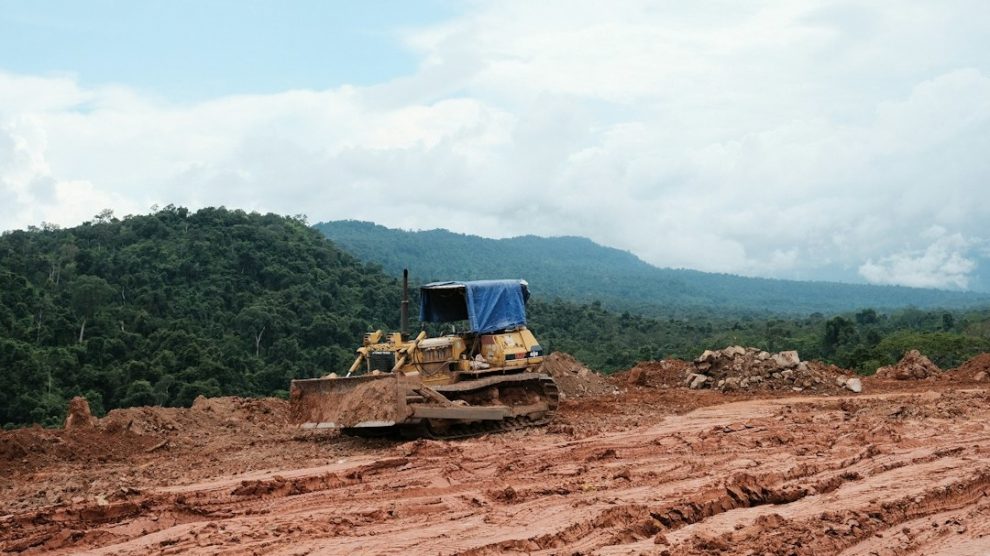
Starting a land clearing business means building a reliable equipment fleet and client base for removing trees, brush, and debris, typically serving construction developers, homeowners, and agricultural clients.
What You’ll Need
You’ll need appropriate heavy equipment, general liability insurance, proper business licensing, and knowledge of local environmental regulations governing land clearing activity in your specific area.
Step 1: Choose Your Starting Equipment
Begin with a skid steer and forestry mulcher attachment, typically costing $40,000 to $80,000 combined, rather than investing immediately in larger excavators before establishing steady client demand.
Step 2: Secure Proper Licensing and Insurance
Obtain a general contractor or land clearing specific license depending on your state, along with general liability insurance covering property damage, since clearing work carries real risk of unintended damage.
Step 3: Research Environmental and Permitting Requirements
Understand wetland protections, tree removal permits, and erosion control requirements specific to your region, since violating environmental regulations can result in significant fines for both you and your clients.
Step 4: Build Your Initial Client Base
Target homebuilders, real estate developers, and agricultural landowners initially, since these clients generate larger, more consistent contracts than one-off residential brush clearing jobs alone.
Step 5: Price Competitively While Protecting Margins
Price by acreage or by the hour depending on job complexity, typically charging $1,500 to $6,000 per acre depending on vegetation density and terrain difficulty.
Expert Quote
“New operators often underestimate how much equipment maintenance eats into margins until they’ve run machines through a full season of heavy use,” says Wesley Coburn, an equipment financing specialist who works with land clearing startups.
What the Pros Know
Experienced land clearing operators recommend building relationships with local excavation and construction companies early, since subcontracted referral work often provides more consistent income than independent marketing alone.
Sustainability Angle
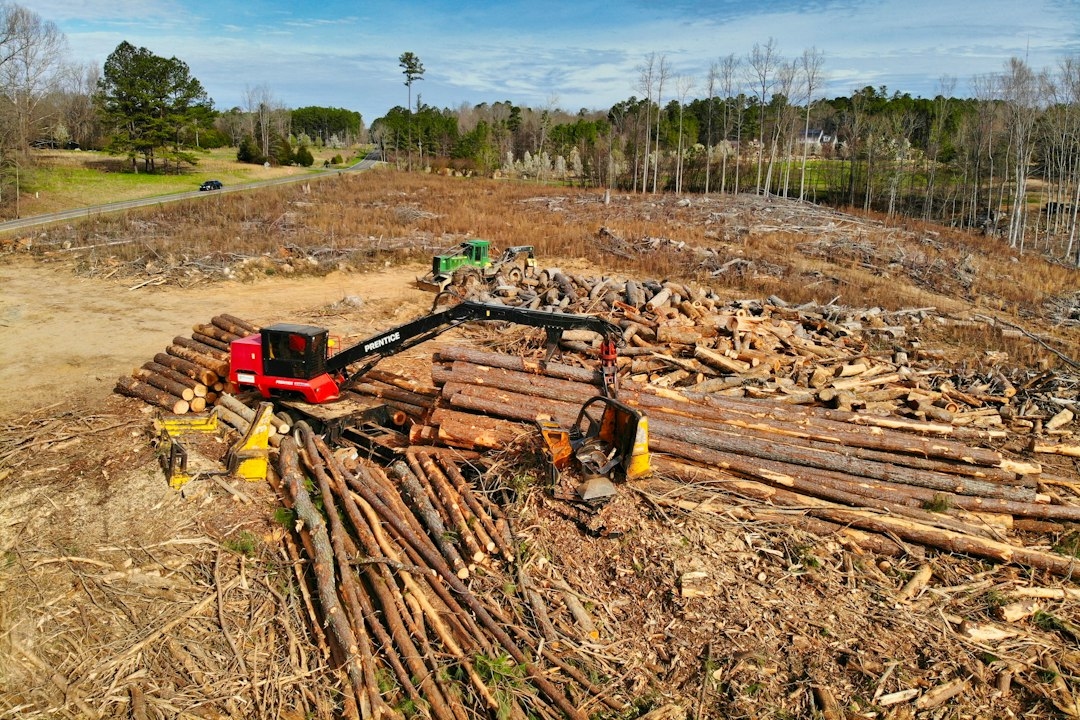
Forestry mulching, which grinds vegetation into ground cover rather than burning or hauling debris away, increasingly appeals to environmentally conscious clients and reduces disposal costs simultaneously.
FAQ
How much does it cost to start a land clearing business?
Most land clearing startups require $50,000 to $150,000 in initial capital, covering equipment, insurance, licensing, and working capital for the first several months of operation.
Do I need special permits to clear land commercially?
Yes, most jurisdictions require permits for larger clearing projects, particularly near wetlands or protected habitats, so confirming local requirements before each project matters significantly.
What’s the most profitable type of land clearing work?
Commercial development clearing typically generates the highest per-project revenue, though agricultural and residential clearing offer more consistent, smaller recurring contracts throughout the year.
Next Steps
Once your first few contracts close successfully, reinvest profits into expanded equipment capacity to take on larger jobs that smaller operators in your area typically cannot handle.



